
Challenges & Solutions for Today’s energy User
Exposure to potentially high commodity costs

Electricity pricing is often volatile, particularly when purchasing power on the wholesale market.
Glaciem Thermal Energy Storage (TES) allows for storage of low cost energy purchased from the grid or energy harvested from renewable assets.
When coupled with Advanced Control Forecasting Algorithm (ACFA)technology, Glaciem TES forms a technical hedge against market price fluctuation.
Reliability of energy sources (Blackouts + Burnouts)

Electricity networks commonly suffer blackouts and brownouts as a result of distribution problems. These can lead to interruptions in production and potential risks to product quality. When sized appropriately, Glaciem TES can provide continuous cooling during these difficult times.
Sustainability of Natural Refrigerants (CO₂) vs HCFC or HFC

Over the last 100 years, the refrigeration industry has explored a wide range of refrigerants as it looks to balance performance with safety and environmental sustainability. It is now well understood that a return to natural refrigerants, namely CO₂, is warranted due to its Ozone Depleting Potential (ODP) of 0 and Global Warming Potential (GWP) of 1. Advancements in technology have made this possible. Learn more about Glaciem’s CO₂ refrigeration systems here.

Network related restrictions - (e.g. solar export limits)

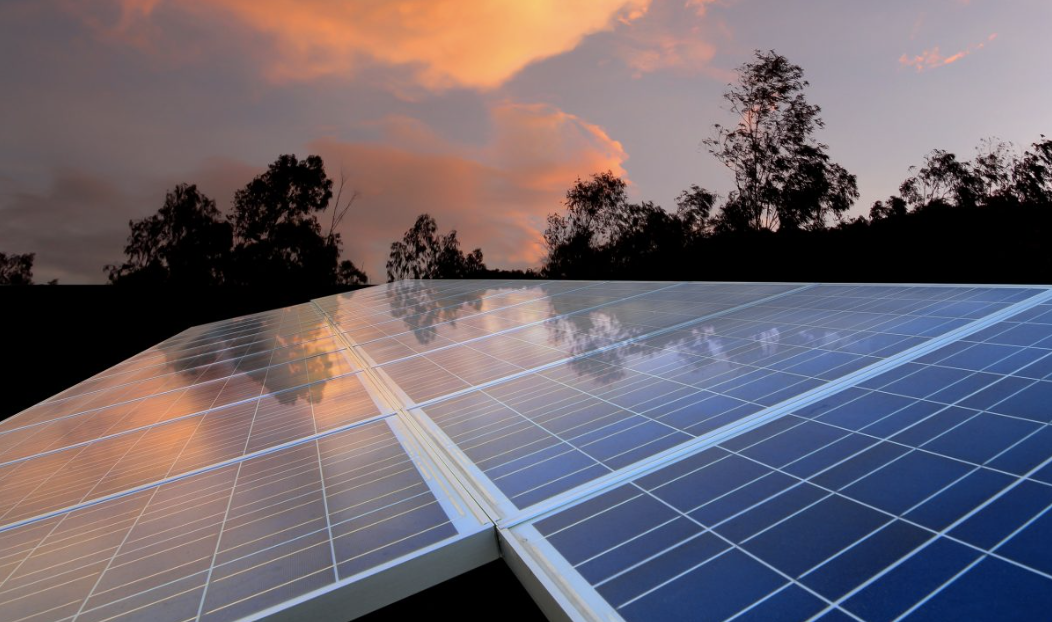
Many power users, having significantly invested in renewable energy assets such as Solar PV, subsequently find their return on investment compromised due to grid export limits or extremely unfavourable pricing. Glaciem TES allows for this energy to instead be used on site, avoiding both marginal export transactions and power purchase costs.
Capacity Constraints (constrained cooling capacity, limited power supply)

Some energy users are limited with the amount of cooling their current refrigeration can provide instantaneously. Glaciem TES has a smoothing effect, providing additional thermal energy to instantaneous site capacity. In some areas power supply is limited and energy intensive processes that cause heavy instantaneous load can be problematic. Glaciem TES can reduce instantaneous electrical load through provision of thermal energy stored earlier.
Heating and Cooling with CO₂ – Why Invest?
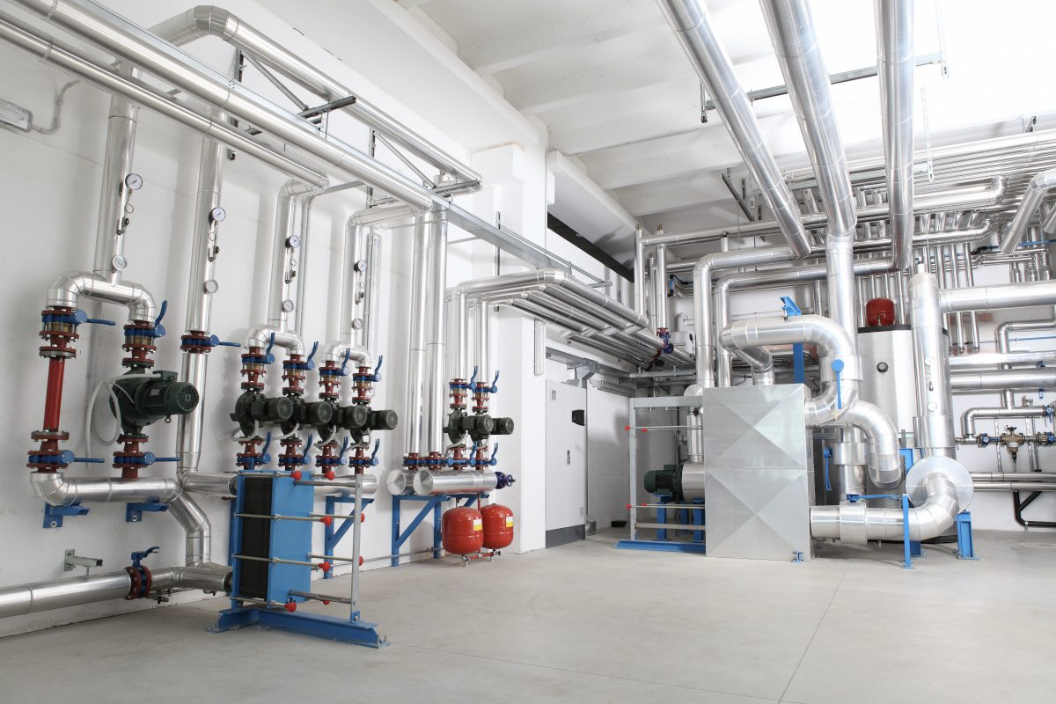
Our systems use CO₂ as a naturalnon-flammable, non-toxic, inexpensive natural refrigerant.

CO₂ is not subject to price rises and availability issues triggered by HFC phaseout.

Our CO₂ refrigeration systems are built for hot climates. Our patented dew point technology sets a new standard for high efficiency in high ambient temperatures.

Our CO₂ systems reduce CO₂ greenhouse gas emissions by 65% compared to traditional R404A systems

Your energy consumption is typically lowered by >20% when using a Glaciem CO₂ refrigeration system; this can be as much as 35%

Glaciem CO₂ Heat Pumps use the energy removed for cooling for heating water (up to 90 degrees celsius) increasing system efficiency, achieving Coefficients of Performance (COP) ranging from 5 to 8 (for every unit of electrical energy it uses, the system delivers 5 to 8 units of thermal energy)

glaciem thermal energy storage – Why Invest?
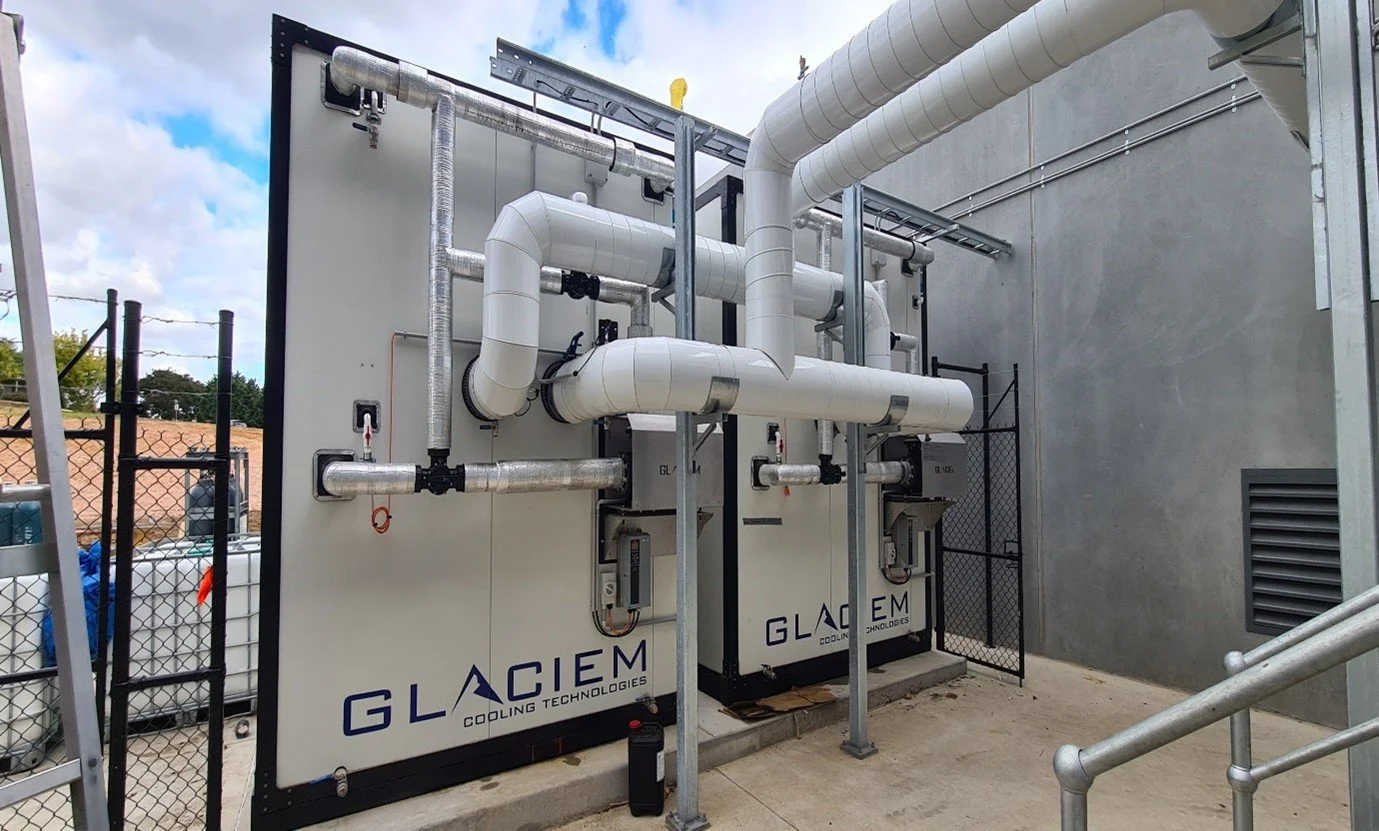
Energy savings >30% when paired with renewable energy and system intelligence

Non-Chloride based PCM and ‘Dynamic Melt’ give the system a 20+ year design life

Available in a range of temperatures to suit your application

Levelized cost of storage is 7 times lower than electrical batteries